blog
This is how you detect skin cancer early!
20 May 2026 · MARC INBANE · 2 min read
" 90% of skin cancer cases are caused by sun exposure "

A suntan seems so innocent, but is it really?
Published at: 15 January 2026At MARC INBANE, we believe that enjoying the sun (and a tan!) should always go hand in hand with caring for your skin.
The number of skin cancer cases has been rising for decades, with UV exposure being the main cause. Most forms of skin cancer are highly treatable when detected early. But what should you look for when checking your skin? And is even a little sunbathing really harmless?
What causes skin cancer?
Every skin cell contains DNA, which determines how the cell should behave. When this DNA becomes damaged, a cell can lose control and no longer function properly. It may start dividing uncontrollably, which can ultimately lead to tumour growth and skin cancer.
In most cases, this DNA damage is caused by exposure to UV rays from the sun. However, UV radiation is not always the cause, skin cancer can also develop due to exposure to toxins or genetic predisposition.
The influence of UV radiation
UV radiation plays a major role in skin ageing and skin cancer. Excessive sun exposure can damage the DNA in skin cells. Sunburn, especially at a young age, significantly increases the risk of developing skin cancer later in life. In addition, UV radiation contributes to premature skin ageing and age spots.
Did you know that your skin can suffer UV damage even when you’re not consciously sunbathing? UV radiation affects your skin even in winter and on cloudy days. That’s why applying SPF protection to your face every day is essential.
" Most UV damage occurs between the ages of 16 and 30 "
Also important to know: there is no such thing as a healthy, sun-kissed tan caused by UV radiation.
We hear you thinking: really?! Unfortunately, it’s true. When your skin produces pigment in response to UV radiation, your body is actually trying to protect itself. This pigment rises from deeper skin layers to form a shield over your DNA. So if you tan from sun exposure, even slightly, skin damage has already occurred.
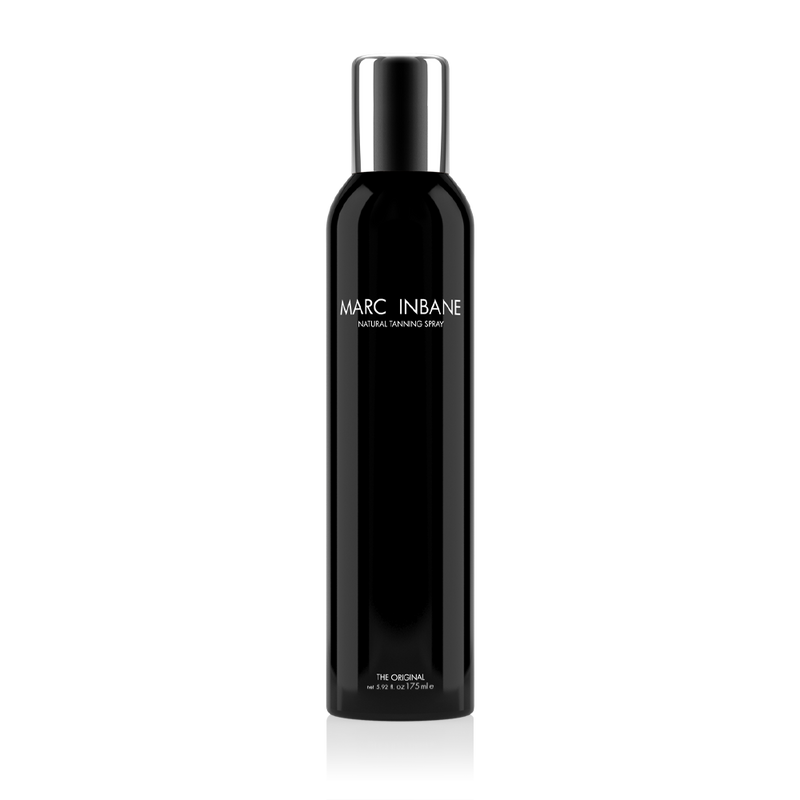
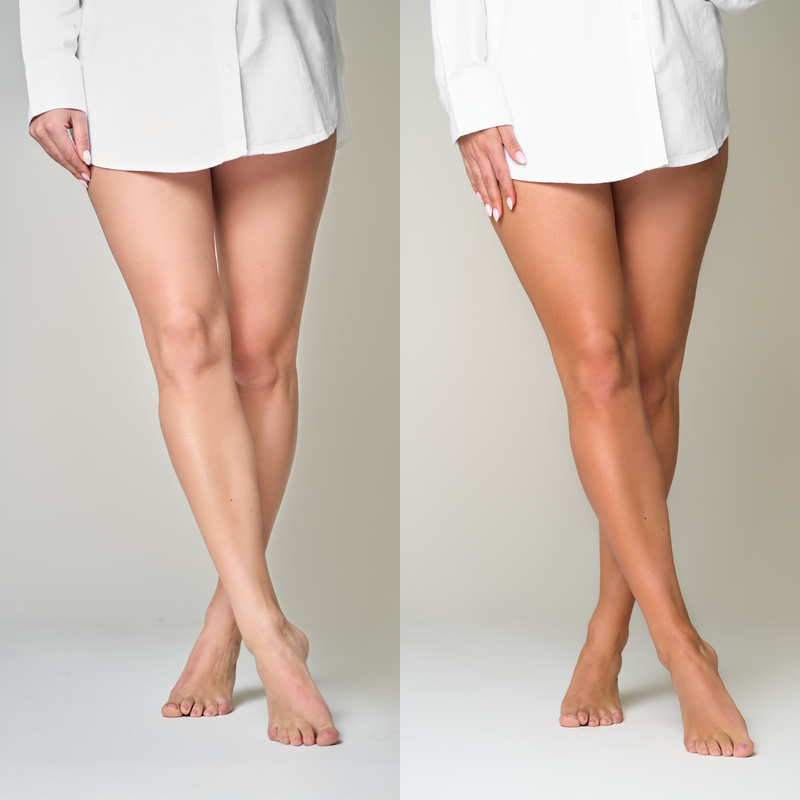
The good news? A tan can also be achieved safely, for example by using a tanning product.
How to stay alert
We all know that nothing is more important than your health. That’s why MARC INBANE and SkinVision have joined forces, sharing a mission to raise awareness about harmful UV radiation and skin cancer prevention.
SkinVision helps you quickly assess whether a spot on your skin may pose a risk for skin cancer. The app was developed in collaboration with dermatologists.
Staying alert doesn’t have to be complicated. A monthly skin check can help you detect changes early:
- Examine your entire body, including your scalp, feet, and back
- Use a mirror or ask someone to help you
- Take photos to track changes over time
- If in doubt, use the SkinVision app or contact your doctor
ABCDE-checklist
There’s a simple checklist to help you recognize suspicious spots:
- A – Asymmetry: Melanomas are often asymmetrical
- B – Border: Melanomas have irregular or jagged edges
- C – Color:Melanomas often contain multiple colours
- D – Diameter:Melanomas are usually larger than 6 mm
- E – Evolving:Melanomas change in size, shape, or colour
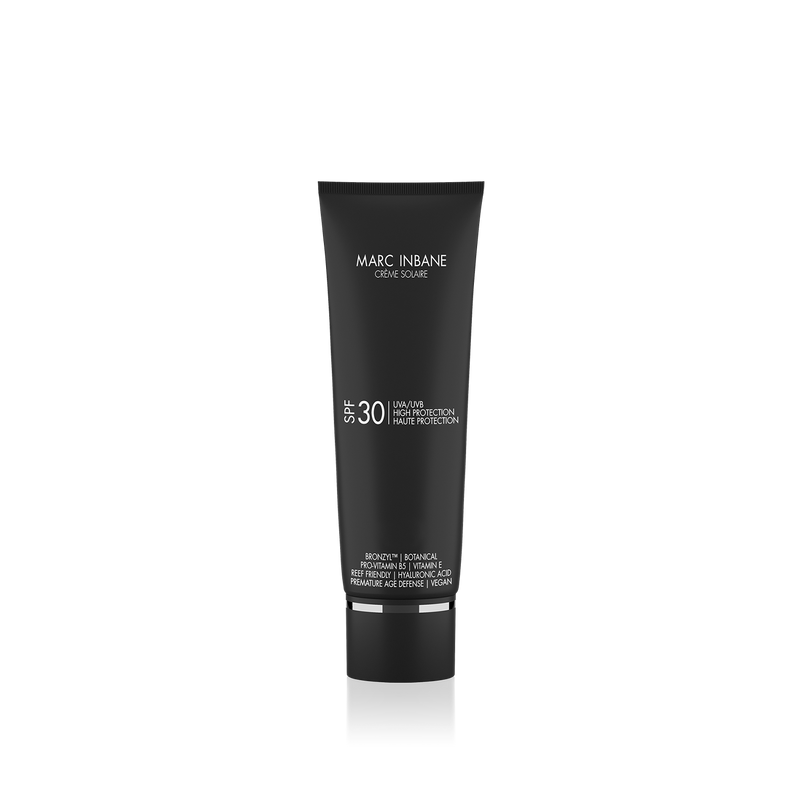
The most important step is getting to know your own skin. Take good care of it and rest assured, you can maintain a natural-looking tan without damaging your skin by using MARC INBANE products with UV protection.


Crème Natural
Anti-aging day cream SPF30 with Hyaluronic Acid
MINERAL UV-FILTER € 29,95

Sunstick SPF50 - Cool White
For protecting the most sensitive skin areas
€ 44,95

Natural Tanning Spray
Our bestseller! Enriched with pure and nourishing ingredients
In this article